
Budget Process
The Financial Planning process can seem long as we ensure that there are appropriate check-ins with the Board of Directors along the way. Subscribe and follow along through the Budget Timeline on the main page (right-side).
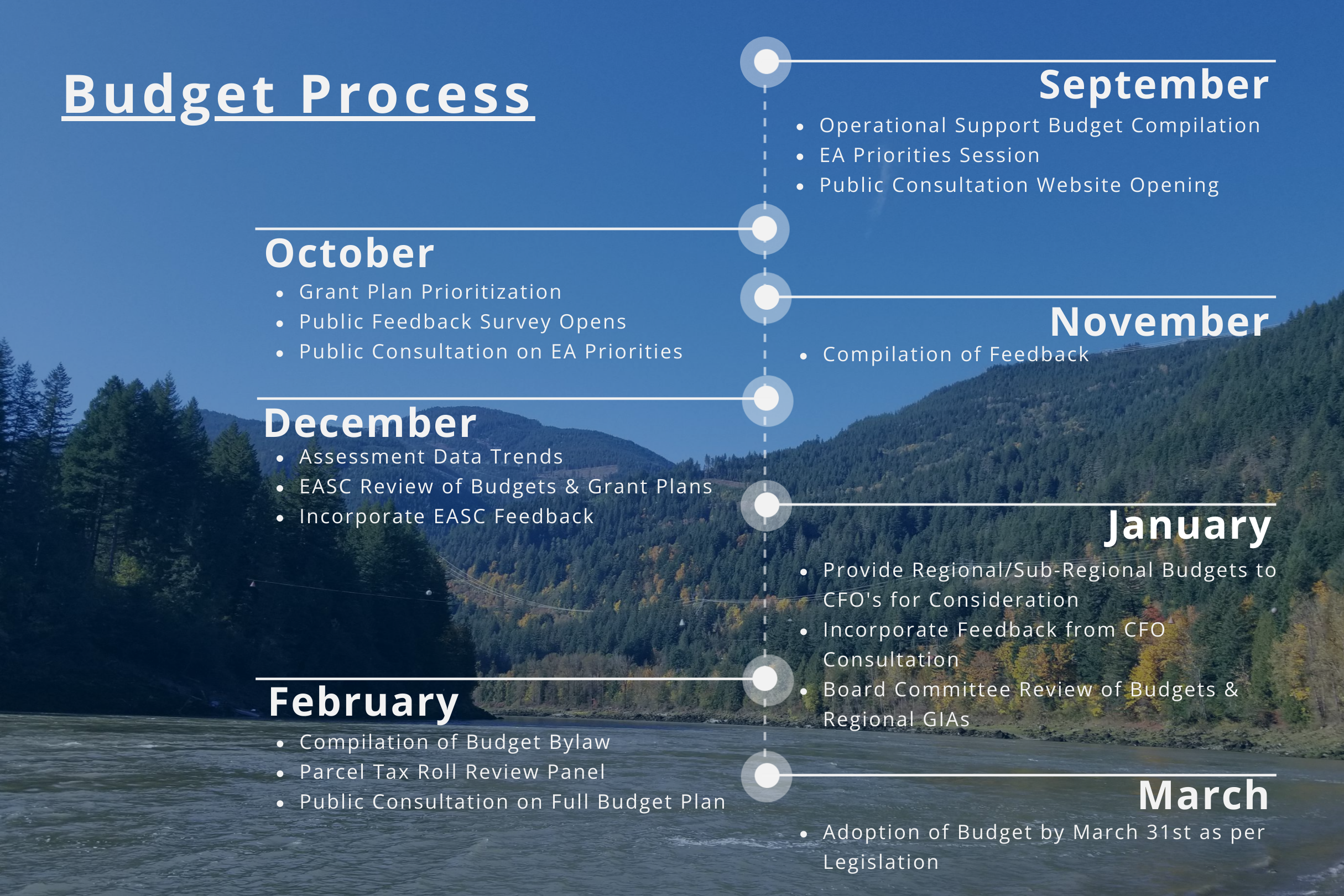
How are Budgets Built?
Budgets focus on legislative requirements and existing commitments before exploring new projects. The FVRD recognizes that costs are rising which remains true for local governments as well. Building a budget is a phased approach over many months before they are presented for a decision at the Board of Directors table:
1. Base Budget: review existing priorities/commitments, policies, and estimates (inflation, savings, assessment, etc.).
2. Proposed Budgets: consider risks, new estimates, and new initiatives/direction on levels of service identified through public feedback, board of directors requests or workplan shifts.
3. Financial Plan: mitigate cost increases with savings or grants and analyze impacts to taxpayers with BC Assessment information.
In the preparation of the budgets, we review the status of the current year spending first and then determine whether any dollars can be reallocated before considering tax increases.
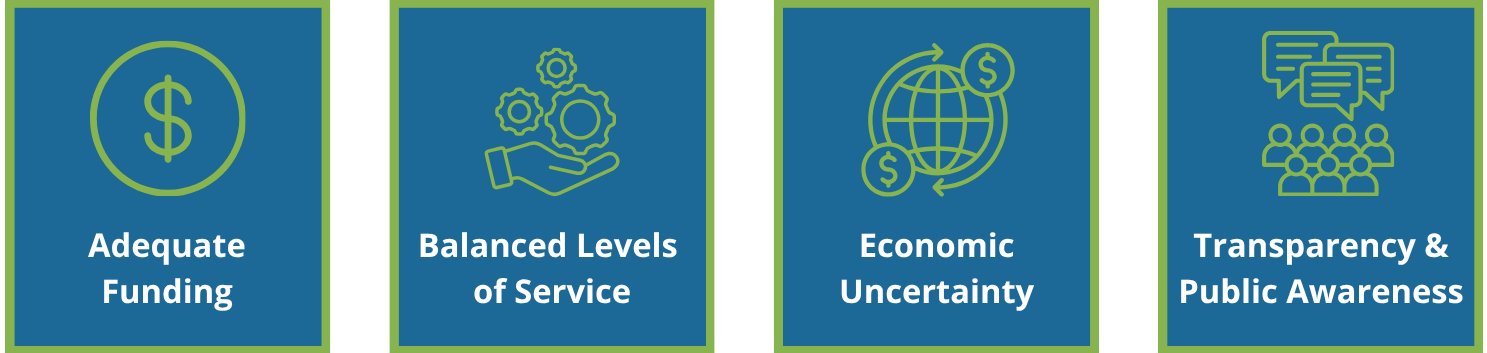
Budgets are considered a point-in-time and information can change after a budget is adopted, such as inflation rates, project costs after procurement, and timelines. These are all risks that we consider when building a budget.

Thank you for your contribution!
Help us reach out to more people in the community
Share this with family and friends